废旧设备处理是党政机关、企事业单位设备管理工作的重要一环。
MUMBAI, India -- IOC president Thomas Bach was urged by its members on Sunday to change Olympic rules on term limits and seek four more years as president.Bach’s presidency is due to end in 2025 – a 12-year maximum agreed in anti-corruption reforms passed after the Salt Lake City bid scandal broke in the 1990s.However, citing the recent years of global crises, several of the 99 International Olympic Committee members opened their annual meeting Sunday suggesting they needed more of Bach's leadership that started in 2013.The Olympic movement needed “to go through this period of torment with a president who has proved his mettle,” African sports leader Mustapha Berraf said.“We really need to be able to rely on the leadership you have shown,” said IOC member Luis Mejia Oviedo of the Dominican Republic.Though Bach has never publicly sought a term limit-busting third mandate, the option has been spoken of in international sports circles since he was re-elected in 2021 at a meeting held remotely during the COVID-19 pandemic. The IOC gives its president a first term of eight years.“I cannot hide how that went straight to my heart,” Bach told IOC members of their praise at its annual meeting being held in Mumbai.Bach cautioned the presidential term limit is enshrined in the IOC’s book of rules and principles. “I’m very loyal to the Olympic Charter,” the German lawyer said. “Being a co-author of this Olympic Charter drives me to be even more loyal.”Extending Bach’s term would need a proposal submitted ahead of an annual meeting, known as the Session. The next is scheduled in July in Paris on the eve of the 2024 Summer Games.Only one IOC member has publicly spoken about a possible leadership bid: World Athletics president Sebastian Coe, a two-time Olympic champion in the 1,500 meters, head of the 2012 London Olympics organizing committee and a former elected lawmaker in the British parliament.Coe turns 70 in September 2026, the year his IOC membership should expire, and a 2025 election should be his only option.A diplomatically expressed counter to extending Bach’s term was suggested by gymnastics federation president Morinari Watanabe, who has been speculated as a possible IOC leadership candidate.“You guided us all that sports organizations must follow rules and have high integrity under good governance,” Watanabe suggested. “Sports demonstrate discipline and the spirit of fairness to society.”“I love you, Mr President Thomas Bach,” the Japanese official said, “because I believe you are a correct person.”Bach replied: “Thank you for your love.”—-AP Olympics: https://apnews.com/hub/2024-paris-olympic-games。然而,个别涉密岗位工作人员仍存在认知误区,认为仅需履行常规报废程序,设备移交后即可“一了百了”。事实上,涉密设备虽已退出资产管理台账,但其中存储的涉密数据未必彻底清除。如果操作不当甚至随意变卖,极易导致失泄密情况的发生。
报废环节风险隐患不容忽视报废处于设备管理链条末端,易因关注度降低、管控力度弱化而滋生隐患。

二 | 国家安全机关、国家保密行政管理部门披露的多起案件,充分印证了该环节的现实风险。——二手硬盘残留内部数据。

三 | 某单位将内部硬盘简单清空后便当作废品变卖。这批硬盘经翻新流入市场后,被查出仍残留多家党政机关、高校的内部文件。——废旧硒鼓还原涉密文件。某单位将存有涉密信息的废旧打印机硒鼓交由供应商回收处理。相关人员通过技术手段还原硒鼓残留的打印内容,并将涉密信息售往境外。——废弃服务器沦为攻击跳板。某单位服务器被弃用后仍留存于信息化机房内,境外间谍情报机关通过网络扫描探测实施入侵,控制服务器后将其作为跳板实施网络窃密活动。
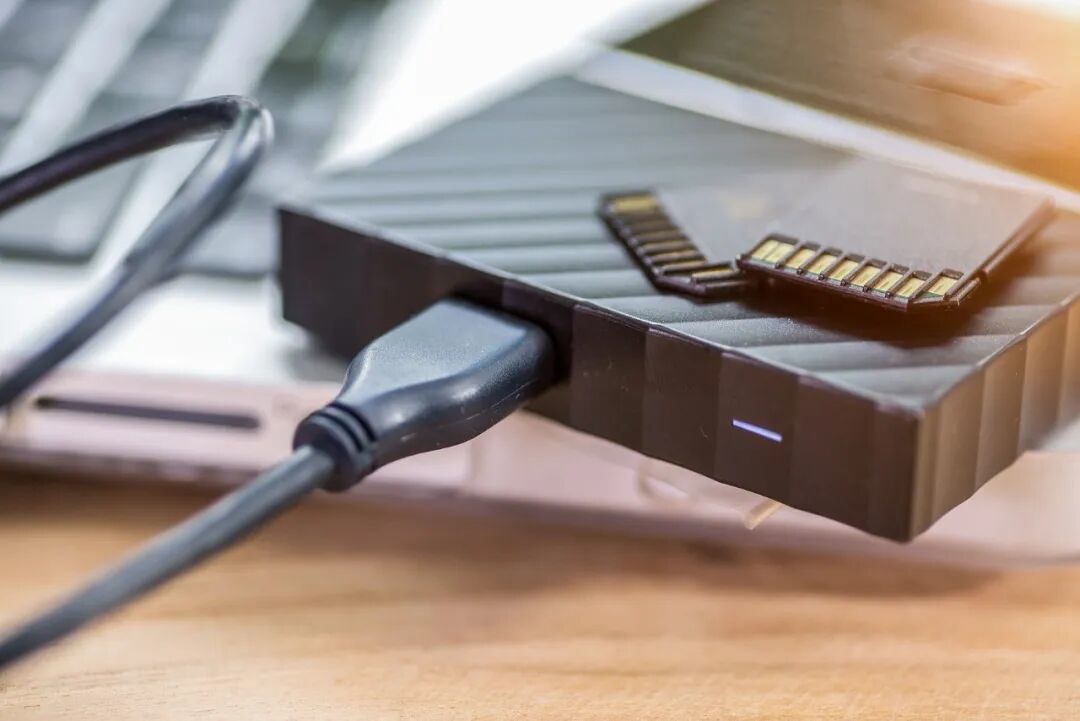
失泄密背后的管理漏洞废旧设备处理环节潜藏的失泄密风险,往往源自台账不清、管理失控、责任悬空等问题。——底数不清楚。个别单位仅建立固定资产台账,未同步标注涉密属性标识。对普通设备和存储过涉密敏感信息的设备未进行分类管理,报废时混在一起,导致风险防控无法精准落实。——处置不规范。“删除即销毁、格式化即清零”仍是个别涉密岗位工作人员的认知误区。从未经专业处理的硬盘转卖,到复印机内置硬盘被忽视,再到打印机硒鼓随意丢弃,甚至废旧文件柜夹层、办公桌抽屉遗留涉密文件,这些不规范的操作均可能引发失泄密事件。——监管不到位。前期采购、领用、流转层层把关,但报废阶段却易出现标准降低、审核缺位等问题。单人操作、无台账记录、无保密审批等现象,使得监管制度流于形式。

四 | 资产台账注销后,保密责任随之弱化,形成管理真空。
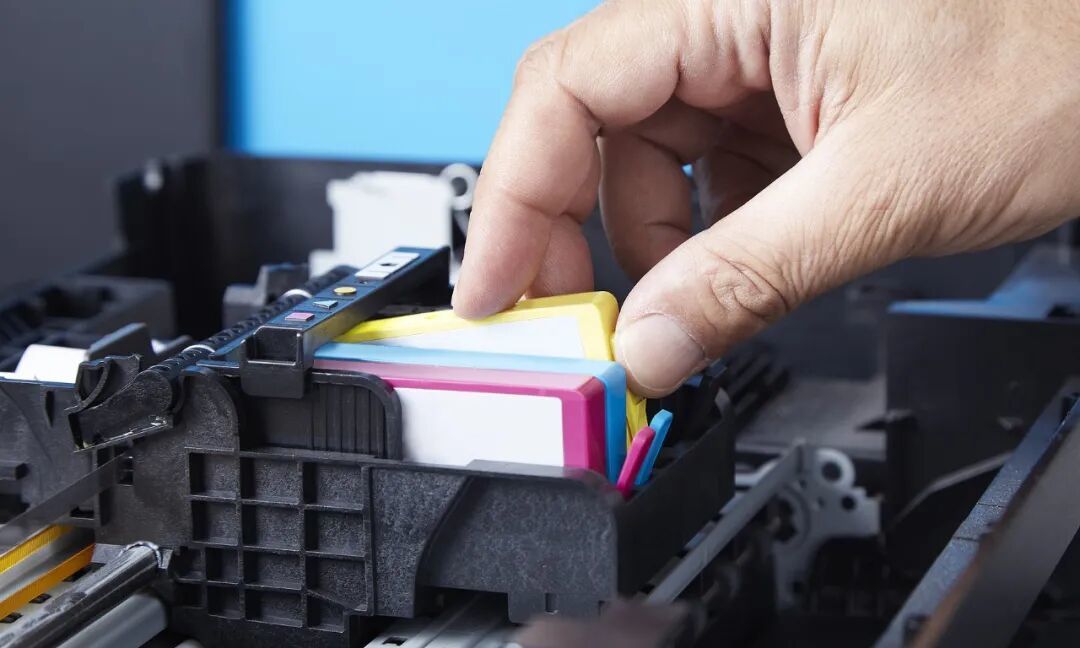
如何守好“最后一关”废旧涉密设备“退役”管理,既检验制度完备性,更考验执行刚性,必须将保密要求嵌入处置全流程,守好“最后一关”。——健全台账,精准标密。

五 | 建立涉密资产全生命周期台账,对存储过涉密敏感信息的设备统一标注涉密属性,实行“一物一码、全程可溯”。报废前应严格核验涉密属性、排查数据残留,确保账实相符、密级准确。——审核前置,分类处置。严把报废“出口关”,前置保密审核。涉密存储介质一律交由具备国家保密资质的定点单位销毁;存有敏感信息的办公设备须经专业数据擦除,严禁随意丢弃、私自变卖。文件柜、保险柜等办公家具报废,必须彻底检查,杜绝涉密载体遗留。——压实责任,落实要求。建立“双人监销、全程留痕、归档备查”机制,严格落实“谁使用、谁处置、谁负责”的管理要求,将保密责任落实到资产清查、技术检测、审批监督、移交销毁等各个环节中去。
Current article:http://j7f83h.tourunbiaodubaicubangninan.shop/69nzgwv/20260826/361090.html

